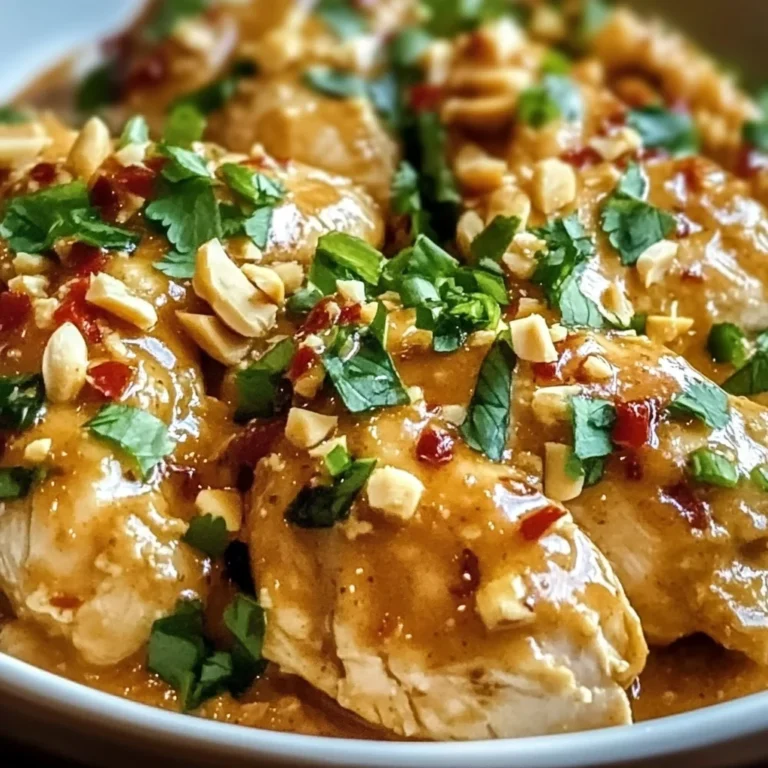
Thai Peanut Sweet Potato Buddha Bowl: A Flavor Explosion
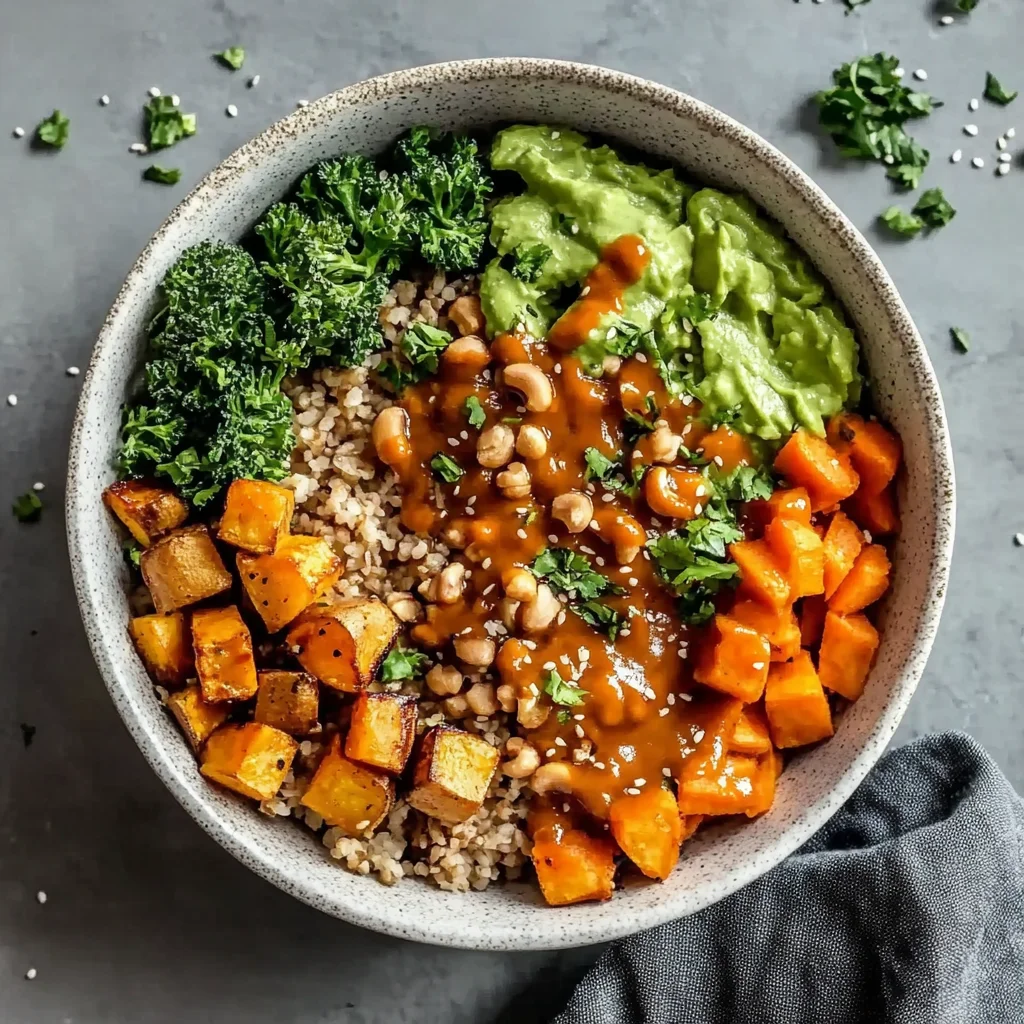
The Thai Peanut Sweet Potato Buddha Bowl is a feast for the senses, showcasing vibrant roasted sweet potatoes that glisten with caramelized edges, nestled beside a rainbow of fresh, crisp vegetables. The aroma of the creamy Thai peanut sauce wafts through the air, inviting you to indulge in its rich, nutty flavor that dances on the palate. This dish effortlessly transforms any meal into a comforting experience, perfect for a cozy weeknight dinner or a gourmet feel at home.
What sets this Buddha bowl apart is the harmonious balance of textures—from the tender sweetness of the roasted potatoes to the crunch of raw veggies—and the bold, savory notes of the homemade peanut sauce that ties it all together. Each bite brims with nourishment and warmth, making it an ideal centerpiece for sharing with loved ones or simply savoring during a moment of self-care. Dive into this delightful recipe and let it inspire your culinary creativity!
Why You’ll Love This Thai Peanut Sweet Potato Buddha Bowl: This vibrant Thai Peanut Sweet Potato Buddha Bowl is a delightful celebration of textures and flavors that will leave your taste buds dancing. The creamy, rich peanut sauce beautifully complements the sweet and tender roasted sweet potatoes, while the crunchy fresh vegetables like crisp cucumber and juicy red bell pepper add a refreshing contrast. With nutrient-packed quinoa and protein-rich chickpeas forming a hearty base, every bite is not only satisfying but also nourishing. The aroma of ginger and garlic wafting through your kitchen will have everyone eagerly anticipating mealtime, so get ready to indulge in a bowl that’s as good for your body as it is for your soul!
What Kind of Sweet Potatoes Should I Use?
For the Thai Peanut Sweet Potato Buddha Bowl, it’s best to use medium-sized orange-fleshed sweet potatoes, commonly known as garnet or jewel sweet potatoes. These varieties have a naturally sweet flavor and a creamy texture that enhances the overall taste of the bowl when roasted, creating a delightful contrast with the fresh vegetables and rich peanut sauce. If you opt for white-fleshed or purple sweet potatoes instead, you may notice a milder flavor and drier texture, so consider adding a bit more seasoning or adjusting the roasting time to ensure they cook through properly and achieve the right tenderness.
Ingredients for the Thai Peanut Sweet Potato Buddha Bowl
Each ingredient in this dish plays an essential role in flavor and texture. Here’s what you’ll need:
2 medium sweet potatoes (peeled and cubed): These provide a naturally sweet base with a creamy texture when roasted.
1 cup quinoa (rinsed): Acts as a nutritious grain that adds protein and a fluffy texture.
2 cups water (for cooking quinoa): Essential for hydrating the quinoa to achieve the perfect cook.
1 cup chickpeas (canned or cooked): Adds heartiness and a protein boost to the bowl.
1 cup red bell pepper (sliced): Introduces a sweet crunch that complements the other ingredients.
1 cup cucumber (sliced): Provides refreshing crunch and balances the warmth of the roasted sweet potatoes.
1 cup carrots (shredded): Adds vibrant color and a subtle sweetness with a satisfying crunch.
1 cup spinach (fresh): Contributes a nutrient-rich green element that wilts perfectly into the warm bowl.
1/2 cup peanut butter (smooth): Creates a creamy, rich sauce that envelops all the flavors together.
2 tablespoons soy sauce (or tamari for gluten-free): Infuses umami depth and enhances all other flavors in the dish.
1 tablespoon maple syrup (or honey): Offers a hint of sweetness that balances the savory elements beautifully.
1 tablespoon lime juice (freshly squeezed): Brightens the sauce with acidity, enhancing overall flavor complexity.
1 teaspoon ginger (grated): Adds warmth and a fragrant spice that elevates the sauce’s profile.
1 clove garlic (minced): Imparts aromatic depth and richness to the peanut sauce.
2 tablespoons water (to thin the sauce): Adjusts consistency, ensuring smooth drizzling over the bowl ingredients.
1/4 cup cilantro (chopped): Provides a fresh, herbaceous note that lifts all flavors in the dish.
1/4 cup peanuts (chopped): Adds crunch and enhanced peanut flavor for texture contrast on top.
1 tablespoon sesame seeds: Offers nuttiness and visual appeal, rounding out the bowl’s toppings.
Step-by-Step: How to Make Thai Peanut Sweet Potato Buddha Bowl
Roast the Sweet Potatoes
Preheat your oven to 400°F (200°C). In a large bowl, toss the cubed sweet potatoes with olive oil, salt, and pepper until evenly coated. Spread the seasoned sweet potatoes on a baking sheet in a single layer and roast them for 25-30 minutes. You’ll know they’re done when they are tender and slightly caramelized at the edges.
Cook the Quinoa
In a medium saucepan, combine 1 cup of rinsed quinoa and 2 cups of water. Bring the mixture to a rolling boil over medium-high heat. Once boiling, reduce the heat to low, cover with a lid, and simmer for about 15 minutes or until all the water is absorbed. Fluff the quinoa gently with a fork to separate the grains before serving.
Make the Thai Peanut Sauce
In a mixing bowl, whisk together 1/2 cup of smooth peanut butter, 2 tablespoons of soy sauce, 1 tablespoon of maple syrup, 1 tablespoon of freshly squeezed lime juice, 1 teaspoon of grated ginger, and 1 clove of minced garlic. Gradually add in 2 tablespoons of water to achieve your desired consistency—smooth and slightly thickened is ideal for drizzling.
Assemble the Buddha Bowl
To assemble your Buddha bowl, start by layering a generous scoop of quinoa at the bottom of each bowl. Top it with roasted sweet potatoes, chickpeas, sliced red bell pepper, cucumber, shredded carrots, and fresh spinach. Drizzle with the creamy Thai peanut sauce and finish off with chopped cilantro, peanuts, and sesame seeds for added crunch and flavor.
How to Serve and Store Thai Peanut Sweet Potato Buddha Bowl
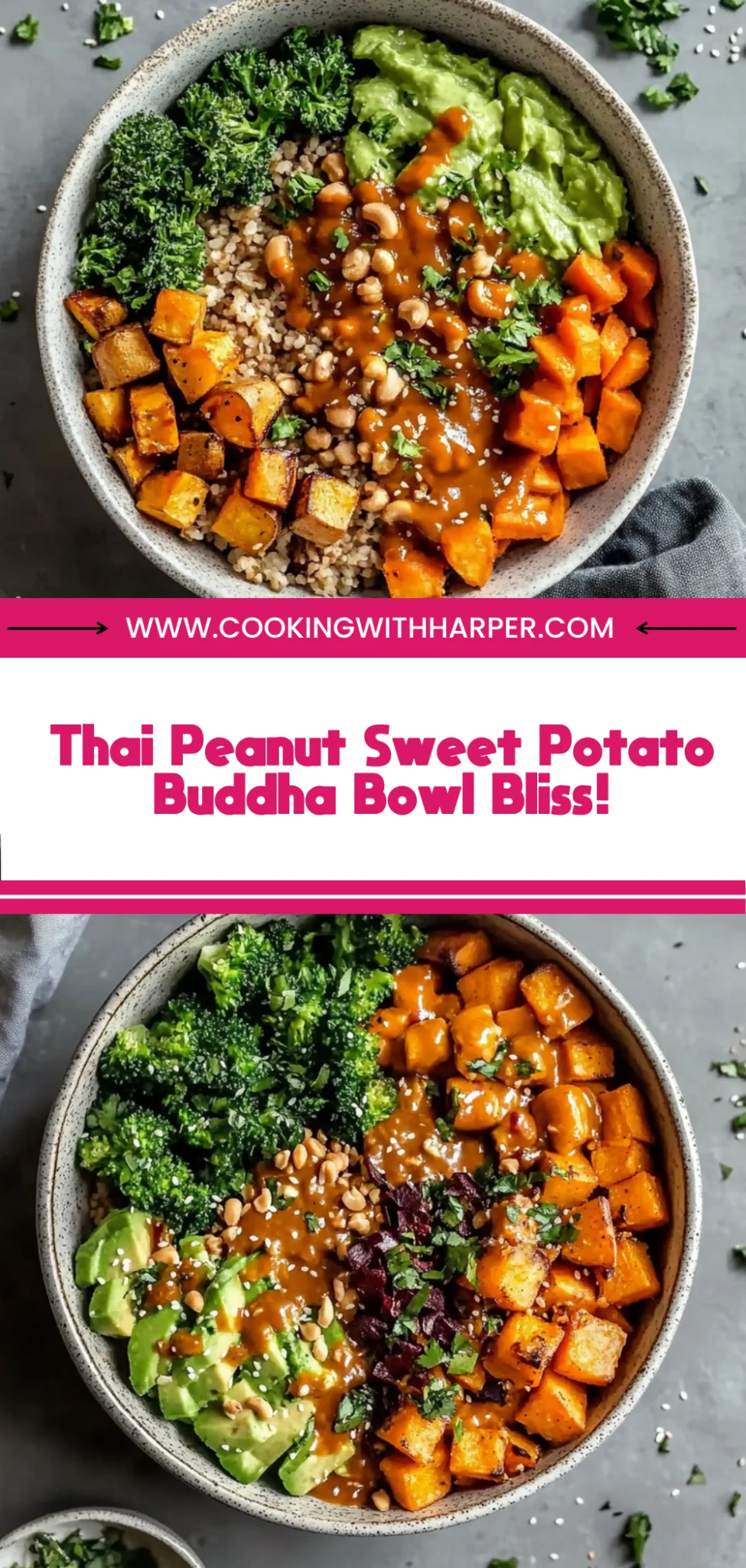
This Thai Peanut Sweet Potato Buddha Bowl makes four generous servings, perfect for sharing or meal prep. For an appealing presentation, layer the roasted sweet potatoes and quinoa at the base of a bowl, then artfully arrange the vibrant vegetables on top. Drizzle with the creamy Thai peanut sauce and sprinkle with chopped cilantro, peanuts, and sesame seeds for a dish that’s as beautiful as it is delicious. Pair it with a light cucumber salad or some crispy spring rolls for a complete meal that truly delights the senses.
To store leftovers, transfer any uneaten portions into airtight containers and refrigerate for up to three days. When reheating, add a splash of water or vegetable broth to the quinoa and sweet potato mixture to maintain moisture and prevent drying out; heat gently on low until warmed through. While the Buddha bowl is best enjoyed fresh, it can also be frozen in individual servings; just keep in mind that the texture of the vegetables may change slightly upon thawing.
What to Serve With Thai Peanut Sweet Potato Buddha Bowl
Coconut Rice
Fluffy coconut rice adds a subtle sweetness and creamy texture that beautifully complements the rich flavors of the Thai peanut sauce.
Grilled Asparagus
The smoky char of grilled asparagus provides a delightful contrast to the sweet and creamy elements of the Buddha bowl while adding a satisfying crunch.
Garlic Naan
Warm, soft garlic naan is perfect for scooping up the vibrant ingredients and luscious sauce, enhancing each bite with its aromatic flavor.
Cabbage Slaw
A zesty cabbage slaw adds a refreshing crunch and tangy brightness that balances the richness of the peanut sauce perfectly.
Roasted Brussels Sprouts
Caramelized roasted Brussels sprouts bring an earthy depth and crispy texture that pairs wonderfully with the sweet potatoes and creamy sauce.
Edamame Hummus
Creamy edamame hummus offers an unexpected twist that mirrors the protein-rich elements of the bowl while adding a smooth, nutty flavor.
Can I use sweet potatoes instead of regular potatoes? Yes, sweet potatoes are a fantastic choice for this Buddha bowl as they add natural sweetness and a creamy texture when roasted. They also provide additional nutrients and pair beautifully with the Thai peanut sauce.
Is this Thai Peanut Sweet Potato Buddha Bowl gluten-free? Yes, this recipe can easily be made gluten-free by using tamari instead of soy sauce. Just make sure to check that your peanut butter is also gluten-free, and you’ll have a delicious dish suitable for gluten-sensitive diets.
Can I prepare the components of the Buddha bowl in advance? Absolutely! You can roast the sweet potatoes, cook the quinoa, and make the Thai peanut sauce ahead of time. Store them separately in airtight containers in the refrigerator for up to five days, making assembly quick and easy when you’re ready to eat.
How do I know when the sweet potatoes are done roasting? The sweet potatoes are perfectly roasted when they are tender and slightly caramelized on the edges. You can test their doneness by inserting a fork; if it goes in easily, they’re ready to come out of the oven.
What can I use instead of chickpeas? If you’re looking for an alternative to chickpeas, you can use black beans or cooked lentils. Both options will provide a great source of protein while complementing the flavors of the Buddha bowl nicely.
How can I adjust the spice level in the Thai peanut sauce? To add more heat to your Thai peanut sauce, consider incorporating some red pepper flakes or sriracha. Alternatively, if you prefer a milder flavor, simply reduce the amount of ginger and garlic used in the sauce for a smoother taste.
Conclusion
The Thai Peanut Sweet Potato Buddha Bowl is not just a meal; it’s a celebration of wholesome flavors and vibrant ingredients that will nourish your body and delight your taste buds. If you enjoyed this dish, be sure to try our [Quinoa Salad with Roasted Vegetables] or [Spicy Chickpea Stir-Fry] for more healthy and delicious options. We’d love to see your creations, so don’t forget to share your bowl on Pinterest and let us know how it turned out in the comments!
Thai Peanut Sweet Potato Buddha Bowl
Ingredients
Method
- Preheat the oven to 400°F (200°C). Toss the cubed sweet potatoes with olive oil, salt, and pepper. Spread them on a baking sheet and roast for 25-30 minutes until tender.
- In a saucepan, combine quinoa and water. Bring to a boil, then reduce heat to low, cover, and simmer for 15 minutes or until water is absorbed. Fluff with a fork.
- In a mixing bowl, whisk together peanut butter, soy sauce, maple syrup, lime juice, ginger, garlic, and water until smooth. Adjust consistency with more water if needed.
- In each bowl, layer quinoa, roasted sweet potatoes, chickpeas, red bell pepper, cucumber, carrots, and spinach. Drizzle with Thai peanut sauce and top with cilantro, peanuts, and sesame seeds.