Gumbo: A Hearty Embrace for Cold Nights
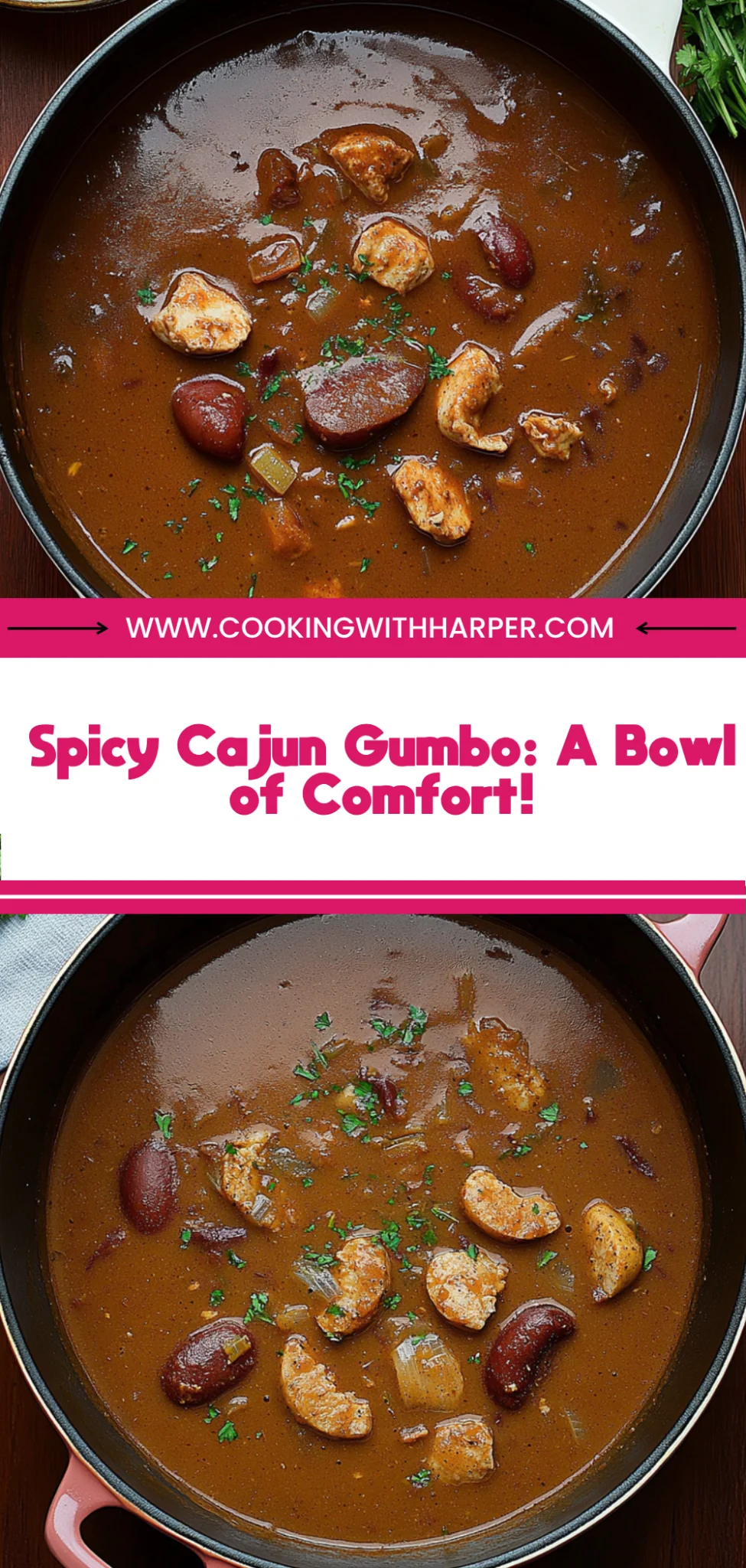
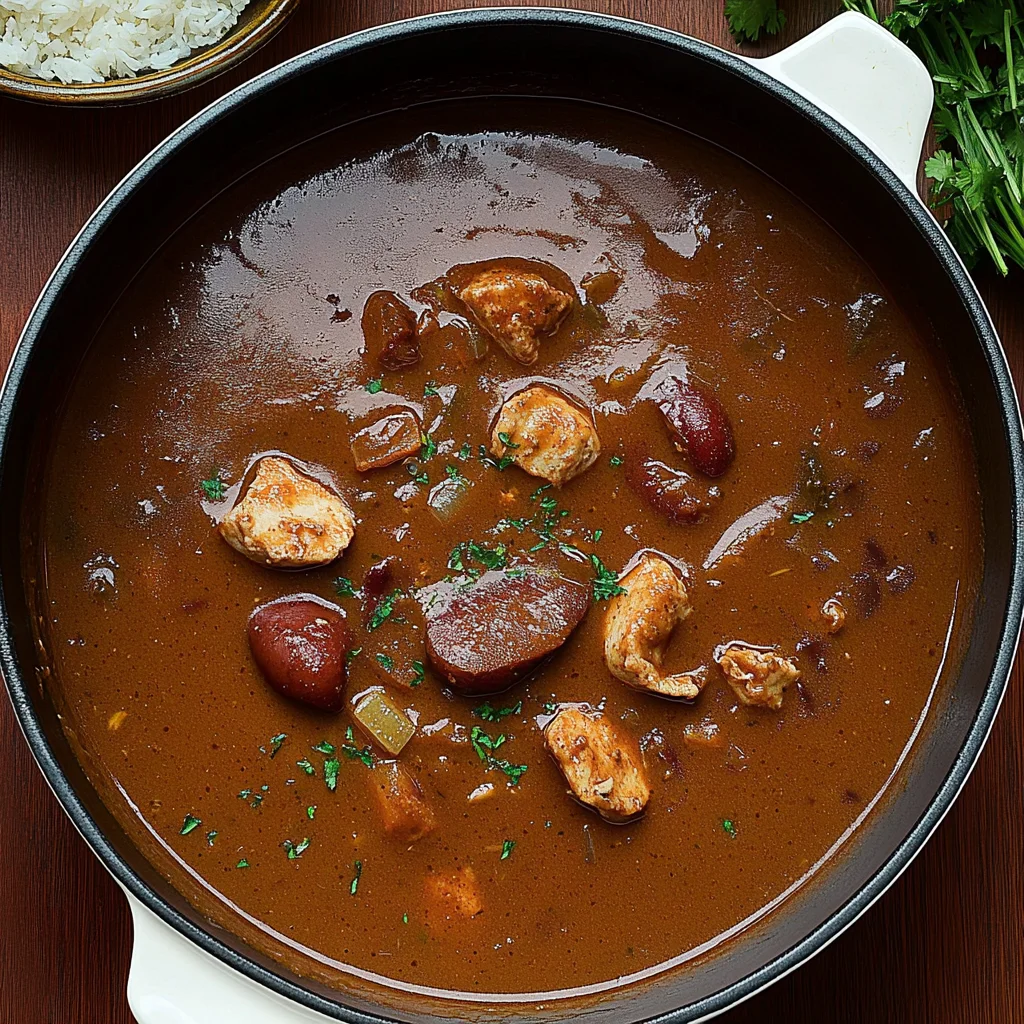
The rich, smoky aroma of Gumbo wafts through the air, inviting you to indulge in its hearty depths. With a luscious texture that dances between silky and robust, each spoonful combines a symphony of flavors—spicy and savory notes mingling with tender meats and succulent seafood. This dish isn’t just a meal; it’s a warm embrace on a chilly evening, perfect for bringing family and friends together.
What sets Gumbo apart is the artistry of the roux, a slow-cooked blend of flour and fat that forms the heart of this iconic stew. Enhanced by an array of fresh vegetables and aromatic spices, it achieves a depth that is both comforting and exhilarating. Serve it over fluffy white rice for a truly satisfying experience, and let its warmth envelop you as you savor every bite—this is more than food; it’s an invitation to share in the joy of togetherness.
Why You’ll Love This Gumbo
This gumbo is a delightful symphony of flavors and textures, showcasing the rich, smoky notes of andouille sausage alongside tender, juicy chicken thighs and perfectly succulent shrimp. The hearty blend of vegetables like diced onions, green bell peppers, and celery adds a satisfying crunch that beautifully contrasts with the luscious broth thickened by a velvety roux. Infused with spices and a touch of hot sauce, each spoonful bursts with warmth and complexity that envelops you in its comforting embrace. With its vibrant colors and enticing aroma wafting through your kitchen, you won’t be able to resist diving into this bowl of deliciousness tonight!
What Kind of Andouille Sausage Should I Use?
For this gumbo recipe, the best choice is a high-quality smoked andouille sausage. This variety is essential because it adds a robust, smoky flavor that complements the other ingredients beautifully, enhancing the overall depth of the stew. Look for andouille that has a good balance of spices and fat; this will ensure it retains moisture during cooking and contributes to the dish’s richness. If you can’t find andouille sausage, you can substitute it with smoked kielbasa or even chorizo, but be aware that these alternatives may alter the flavor profile slightly—kielbasa is milder, while chorizo can add more spice. Adjust your seasoning accordingly if you opt for one of these substitutes to keep your gumbo balanced and flavorful.
Ingredients for the Gumbo
Each ingredient in this dish plays an essential role in flavor and texture. Here’s what you’ll need:
1 lb andouille sausage (sliced): Provides a smoky flavor and a hearty bite.
1 lb chicken thighs (boneless, skinless, diced): Contributes tender meatiness and richness to the stew.
1 lb shrimp (peeled and deveined): Adds a sweet ocean flavor and succulent texture.
1 cup onion (diced): Offers a foundational sweetness and depth of flavor.
1 cup green bell pepper (diced): Brings freshness and a slight crunch to the mix.
1 cup celery (diced): Enhances the aromatic base with its crispness and subtle earthiness.
4 cloves garlic (minced): Infuses the gumbo with pungent warmth and aroma.
6 cups chicken broth: Serves as the rich, flavorful base of the stew.
2 tbsp Worcestershire sauce: Adds umami depth and complexity to the broth.
2 tbsp hot sauce (to taste): Introduces heat that balances with the dish’s richness.
1 tbsp Creole seasoning (or to taste): Delivers the signature spice blend that defines gumbo.
1 tbsp salt (or to taste): Enhances all the flavors for a well-rounded taste.
1 tbsp black pepper (or to taste): Adds warmth and a bit of heat to the overall profile.
1/2 cup vegetable oil: Essential for creating the roux that thickens the gumbo.
1/2 cup all-purpose flour: Forms the roux, contributing both color and thickness to the dish.
1/4 cup green onions (sliced): Provides a fresh, vibrant garnish with a mild onion flavor.
- 1/4 cup parsley (chopped): Adds brightness and color as a finishing touch.
Step-by-Step: How to Make Gumbo
Make the Roux
In a large pot, heat the vegetable oil over medium heat. Gradually whisk in the flour, stirring constantly until the mixture turns a dark brown color, which typically takes about 20-30 minutes. Keep a close eye on it to prevent burning; adjust the heat as necessary to achieve that rich, chocolatey hue.
Cook the Vegetables
Add the diced onion, green bell pepper, celery, and minced garlic to the roux. Cook for an additional 5-7 minutes until the vegetables are softened and fragrant. You want them to become translucent, which will enhance the overall flavor of your gumbo.
Add Meats and Broth
Stir in the sliced andouille sausage and diced chicken thighs. Pour in the chicken broth, Worcestershire sauce, hot sauce, and Creole seasoning, then bring this mixture to a boil. The bubbling will signify that your base is coming together beautifully.
Simmer
Reduce the heat to low and let your gumbo simmer for about 45 minutes, stirring occasionally. This allows all those flavors to meld together while thickening slightly; you’ll know it’s ready when it has a robust aroma filling your kitchen.
Add Shrimp
Add the peeled and deveined shrimp to the pot and cook for an additional 5-7 minutes until they turn pink and opaque. This is a crucial moment—overcooking shrimp can make them tough, so keep an eye on their color transformation.
Serve
Ladle the gumbo into bowls and garnish with sliced green onions and chopped parsley. Serve it hot over rice if desired for a complete meal that’s both hearty and satisfying. Enjoy every flavorful spoonful!
How to Serve and Store Gumbo
This gumbo recipe yields four hearty servings, perfect for a cozy gathering. Serve it over a bed of fluffy white rice to soak up the rich, flavorful broth, or alongside warm crusty bread for dipping. A sprinkle of freshly chopped parsley and green onions on top not only brightens the dish visually but also adds a touch of freshness that complements the robust flavors.
To store leftovers, transfer any uneaten gumbo into an airtight container and refrigerate for up to three days. When reheating, do so gently on low heat, adding a splash of chicken broth to maintain the stew’s moisture and ensure that the shrimp and sausage remain tender and juicy. While gumbo can be frozen, keep in mind that the texture of the shrimp may change slightly upon thawing, so it’s best enjoyed fresh when possible.
What to Serve With Gumbo
White Rice
Fluffy white rice is the classic choice for Gumbo, soaking up the spicy broth and providing a neutral base that balances the dish’s robust flavors.
Cornbread
Sweet and buttery cornbread adds a delightful contrast to the savory richness of Gumbo while offering a comforting texture that complements each spoonful.
Collard Greens
Tender collard greens bring a slightly bitter note that enhances the rich, meaty flavors of Gumbo, making for an irresistible combination of taste and nourishment.
Garlic Bread
Toasted garlic bread, with its crunchy exterior and soft interior, provides a perfect vehicle for mopping up the flavorful sauce of your hearty Gumbo.
Cucumber Salad
A refreshing cucumber salad offers a crisp crunch and light acidity that cuts through the rich stew, providing a delightful palate cleanse with each bite.
Mashed Sweet Potatoes
Creamy mashed sweet potatoes introduce a subtle sweetness and earthy flavor that harmonizes beautifully with the spiciness of Gumbo.
Can I use turkey sausage instead of andouille sausage? Yes, turkey sausage can be used as a substitute for andouille sausage. While it will alter the flavor profile slightly, it still provides a delicious and hearty base for your gumbo.
Is this gumbo recipe gluten-free? Unfortunately, this gumbo is not gluten-free due to the use of all-purpose flour in the roux. To make it gluten-free, substitute the all-purpose flour with a gluten-free flour blend that works well for thickening sauces.
Can I make gumbo ahead of time and freeze it? Yes, you can make gumbo ahead of time and freeze it. Just ensure that you let it cool completely before transferring it to an airtight container or freezer bag; it will keep well for up to three months.
How do I know when the shrimp are cooked through? The shrimp are cooked when they turn pink and opaque, which usually takes about 5-7 minutes after being added to the gumbo. Avoid overcooking them, as they can become tough.
What can I add to spice up my gumbo? If you want to enhance the spice level, consider adding more hot sauce or incorporating diced jalapeños during cooking. You can also experiment with additional Cajun or Creole seasonings for extra depth of flavor.
Conclusion
There’s nothing quite like a bowl of Gumbo to warm your soul and impress your guests with its rich, layered flavors. If you’re in the mood for more culinary delights, be sure to explore [Cajun Jambalaya] and [Southern Shrimp and Grits] for a true taste of Louisiana. We’d love for you to save this recipe on Pinterest and share your Gumbo creations with our community—let’s celebrate the joy of cooking together!
Gumbo
Ingredients
Method
- In a large pot, heat the vegetable oil over medium heat. Gradually whisk in the flour, stirring constantly until the mixture turns a dark brown color, about 20-30 minutes.
- Be careful not to burn the roux; adjust heat as necessary.
- Add the diced onion, bell pepper, celery, and garlic to the roux. Cook for an additional 5-7 minutes until the vegetables are softened.
- Stir in the sliced sausage and diced chicken. Pour in the chicken broth, Worcestershire sauce, hot sauce, and Creole seasoning. Bring to a boil.
- Reduce heat to low and let the gumbo simmer for about 45 minutes, stirring occasionally.
- Add the shrimp to the pot and cook for an additional 5-7 minutes until the shrimp are pink and cooked through.
- Ladle the gumbo into bowls and garnish with sliced green onions and chopped parsley. Serve hot over rice if desired.